EN
EN VN
VN

Avian Reovirus Infection in Chickens: A Comprehensive Overview
Avian Reovirus Infection in Chickens: A Comprehensive Overview
Avian Reovirus (ARV) is a viral disease affecting chickens, especially young broilers and breeders. It can spread both horizontally (within the flock) and vertically (from breeders to offspring). This infection causes joint inflammation, growth retardation, and economic loss in poultry farms worldwide.
Routes of Transmission
- Horizontal: fecal-oral route, contaminated litter, equipment, water
- Vertical: from infected breeders to chicks via eggs
- Mechanical: caretakers, transport crates, insects
Pathogenesis
The virus targets the gastrointestinal tract, joints, and immune organs. It induces immunosuppression, making birds more vulnerable to secondary infections. Commonly affected tissues include hock joints, tendons, intestines, liver, and spleen.
Clinical Signs
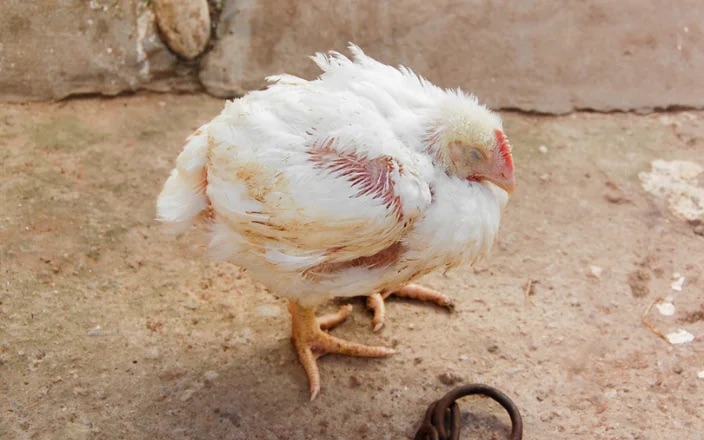
- Lameness and swollen hocks
- Reluctance to walk, stunted growth
- Runting-stunting syndrome in young chicks
- Occasional mortality in severe outbreaks
Lesions
Typical gross lesions include inflamed joints, gelatinous fluid in tendons, and enlarged spleen or liver. Microscopic lesions show tenosynovitis and lymphoid depletion.
Differential Diagnosis
- Bacterial arthritis (E. coli, Mycoplasma)
- Marek’s disease (nerve lesions)
- Rickets or nutritional deficiency (soft bones)
Diagnostic Methods
- RT-PCR and virus isolation from joints or intestines
- ELISA for antibody detection
- Histopathology of affected tissues
Prevention and Control
1. Biosecurity
Clean and disinfect poultry houses regularly. Limit visitors and use footbaths. Avoid mixing age groups.
2. Vaccination
Use live or inactivated vaccines depending on regional risks. Breeder vaccination ensures maternal immunity transfer to chicks.
3. Nutritional Support
Boost early immunity with vitamins, prebiotics, and Elac-Grow to improve resistance.
Economic Impact
Even subclinical infections reduce feed conversion efficiency, flock uniformity, and increase culls. Severe outbreaks lead to high treatment costs and production losses.
Hanvet Solutions
- Han-Iodine 10%: Disinfection to reduce viral load
- Han-Tophan: Boost immunity during outbreaks
- LINSPEC-110 + Chymosin: Support against secondary bacterial arthritis
- Expert diagnostic and training support from Hanvet’s veterinary team
Hanvet stands ready to support poultry producers with GMP-WHO-certified products and field-proven disease control protocols.